With closures of all sorts of events and venues across the country, a lot of people are going to have time on their hands this spring. What better way to spend it than by growing some fresh vegetables?
Even a relatively tiny space can produce a good yield, if you plan well. There is still time to grow some spring crops, mostly fast-maturing greens like arugula and heat-tolerant lettuces such as various romaine cultivars and the ever-popular Black Seeded Simpson. This pale green heirloom has been a favorite in East Tennessee for generations. If you want to try growing it like my grandfather did, thinly scatter the seeds over a suitable plot of good soil, or in a container filled with commercial growing mix. In about 6 weeks the pale green, loose-leaf plants will be big enough to harvest by cutting them near the soil line with scissors. If you grow this lettuce in the ground or in a raised bed, try scattering some green onion seeds at the same time you sow the lettuce. The combination of the two at harvest time is the classic mix for Killed Lettuce Salad. (Recipe below.)
You can also add healthy greens to your diet by growing sprouts and microgreens indoors. Alfalfa sprouts seem made for the emergency pantry, as the seeds take up little space. A tablespoon of seeds makes about a quart of sprouts. Microgreens are a bit more trouble to grow, but nevertheless are suited to windowsill production. You can find directions for growing specific types of sprouts and microgreens online. Most vegetables and herbs that are eaten as leafy greens also make good microgreens and sprouts.
I always recommend purchasing seeds intended for growing sprouts or microgreens, rather than doing this with leftover garden seeds. Even though many seeds have a long lifespan if properly stored, the germination rate may be reduced. Some popular vegetables have poor germination to begin with. Seeds produced for sprouts and microgreens have been selected for high and uniform germination rates, and are tested for potential contamination. Locally, Three Rivers Market on Central Street has a rack of sprouting seeds. In addition, several garden centers have seed racks from Botanical Interests, and the larger racks from this supplier include seeds for sprouts and microgreens.
Seeds can also be ordered online.
Killed Lettuce Salad
The traditional recipe calls for bacon, and if you can get your hands on some Benton's bacon, you will come close to duplicating the dish my grandmother made with home-cured and smoked bacon. If you want to avoid meat, use olive oil and oil-packed sun-dried tomatoes to kick up the umami. The dressing should be a little on the vinegary side.
You can vary the amounts to suit any size crowd. For two people, you need about a gallon of loosely packed Black Seeded Simpson lettuce leaves and 3 green onions. You could really take this recipe to the next level with ramps instead of all or part of the onions.
Wash lettuce leaves and green onions thoroughly and cut the onions into bite size pieces. Drain or spin-dry the greens and place them and the onions in a large metal or Pyrex bowl. This step can be completed hours ahead. Refrigerate the vegetables, covered.
Just before serving, make the dressing. The amounts given are for two people, but are easily multiplied.
3 slices smoked bacon, cut into 1-inch pieces
1 tablespoon apple cider vinegar
1 tablespoon water
pinch of brown sugar
Salt and freshly ground black pepper.
In a heavy skillet, cook the bacon pieces slowly over medium-low heat to release as much of their fat as possible. While the bacon cooks, combine the other ingredients in a small bowl and stir well. Remove the crisp bacon pieces with a slotted spoon and reserve them. Pour the dressing ingredients into the hot skillet. Stir rapidly to scrape up the browned bits on the bottom of the skillet. Pour the liquid boiling hot over the reserved greens, and toss to coat them thoroughly as they wilt. Divide the mixture between two plates, sprinkle the bacon pieces on top, and serve warm.
Showing posts with label arugula. Show all posts
Showing posts with label arugula. Show all posts
Saturday, March 14, 2020

Thursday, August 22, 2019
August Abundance
My most recent book, Succulents At Home, will begin shipping on October 8. Reserve your copy here.
August brings an abundance of not only tomatoes, but of peaches, sweet corn, squash and cucumbers. Unfortunately, hot weather in some places drastically reduces the cucurbit crops, as pollen dies when the temperature soars above 90 degrees. Fruit and vine borers are also more abundant this time of year. Therefore, head to the farmer's market for the best the season has to offer.
Asian pears are in season in Tennessee during August, and the recipe I am sharing makes good use of them, along with arugula. You could substitute any other salad green for the arugula, but it does play very well with peanuts.
Consider this recipe a sneak preview of my newest book, Grow Food At Home, which is coming out in 2020.
Arugula Salad with Thai-Inspired Dressing
The fat-free dressing makes this salad extra-light, ideal as the prelude to a summer supper. Another pear can be substituted, or try this recipe with fresh peaches.
Serves 2, easily doubled
2 cups loosely packed arugula leaves, rinsed and spun dry
1 small Asian pear
Juice of 2 limes
2 cloves garlic
1 cube of crystallized ginger, about ½ inch on a side
8 fresh mint leaves
1 ½ teaspoons light brown sugar
1 teaspoon soy sauce
1 tablespoon unsalted dry-roasted peanuts, coarsely chopped
Arrange half of the arugula on each of two chilled serving plates. Core the pear, slice it in half top to bottom, and cut each half into wedges, arranging them on the arugula. Combine the lime juice, garlic, ginger, mint, sugar and soy sauce in the jar of a blender and liquefy. Pour the dressing over the arugula and pear, using about half of it, and garnish the plate with the chopped peanuts. Serve at once.
My most recent book, Succulents At Home, will begin shipping on October 8. Reserve your copy here.
August brings an abundance of not only tomatoes, but of peaches, sweet corn, squash and cucumbers. Unfortunately, hot weather in some places drastically reduces the cucurbit crops, as pollen dies when the temperature soars above 90 degrees. Fruit and vine borers are also more abundant this time of year. Therefore, head to the farmer's market for the best the season has to offer.
Asian pears are in season in Tennessee during August, and the recipe I am sharing makes good use of them, along with arugula. You could substitute any other salad green for the arugula, but it does play very well with peanuts.
Consider this recipe a sneak preview of my newest book, Grow Food At Home, which is coming out in 2020.
Arugula Salad with Thai-Inspired Dressing
The fat-free dressing makes this salad extra-light, ideal as the prelude to a summer supper. Another pear can be substituted, or try this recipe with fresh peaches.
Serves 2, easily doubled
2 cups loosely packed arugula leaves, rinsed and spun dry
1 small Asian pear
Juice of 2 limes
2 cloves garlic
1 cube of crystallized ginger, about ½ inch on a side
8 fresh mint leaves
1 ½ teaspoons light brown sugar
1 teaspoon soy sauce
1 tablespoon unsalted dry-roasted peanuts, coarsely chopped
Arrange half of the arugula on each of two chilled serving plates. Core the pear, slice it in half top to bottom, and cut each half into wedges, arranging them on the arugula. Combine the lime juice, garlic, ginger, mint, sugar and soy sauce in the jar of a blender and liquefy. Pour the dressing over the arugula and pear, using about half of it, and garnish the plate with the chopped peanuts. Serve at once.
My most recent book, Succulents At Home, will begin shipping on October 8. Reserve your copy here.
Tuesday, April 9, 2019
Spring Planting
Now is the time for East Tennessee gardeners to plant cool season crops. It will soon be too late for transplanting cabbage and broccoli, so if you are growing those this year, you'd better get busy. These days, it gets hot enough in May to stop the growth of most brassicas. Your cabbage may not head up, and your broccoli may not bloom.
This is an ideal time to direct seed most leafy greens. Lettuces will take about 75 days, but many mustards, such as arugula and radishes, will be ready in about 6 weeks. Follow the instructions on the seed packages for proper sowing depth, water the seedbed every day if it doesn't rain, and expect most things to germinate within one week.
You can also direct seed beets and carrots, both of which take a little longer to germinate. Carrots can take up to three weeks. Either vegetable should be thinned to the correct spacing (see the back of the seed packet) as soon as most of the seedlings have emerged. Delay in thinning will slow growth and might even limit production. A pair of plastic tweezers is useful for thinning, if you have large hands like I do. Beets will benefit from the addition of wood ashes to their bed, which raises the pH. A cup of wood ashes is sufficient for a ten-foot row of beets. Don't put the ashes directly on the seeds. Instead, work ashes into the soil a few days before planting.
This season, I am growing some vegetables in containers as part of a photography project. If you plan on a container vegetable garden, I suggest using nothing smaller than a twelve-inch diameter pot. Five gallon buckets make good vegetable containers, too, but you will need to drill drainage holes in the bottom. Cover the holes with plastic window screen before filling the container. This keeps snails, slugs and insects from taking up residence in the pot. Remember that container vegetables need frequent watering and fertilizing in order to perform well. You can use soluble fertilizer, time-release fertilizer added to the potting mix, or a granular organic fertilizer.
If you are starting your own transplants, now is as good time to sow tomatoes indoors. Wait another couple of weeks before sowing eggplant or peppers, as these two need more heat. Most transplants will be ready about a month after germination, so plan accordingly.
This is an ideal time to direct seed most leafy greens. Lettuces will take about 75 days, but many mustards, such as arugula and radishes, will be ready in about 6 weeks. Follow the instructions on the seed packages for proper sowing depth, water the seedbed every day if it doesn't rain, and expect most things to germinate within one week.
You can also direct seed beets and carrots, both of which take a little longer to germinate. Carrots can take up to three weeks. Either vegetable should be thinned to the correct spacing (see the back of the seed packet) as soon as most of the seedlings have emerged. Delay in thinning will slow growth and might even limit production. A pair of plastic tweezers is useful for thinning, if you have large hands like I do. Beets will benefit from the addition of wood ashes to their bed, which raises the pH. A cup of wood ashes is sufficient for a ten-foot row of beets. Don't put the ashes directly on the seeds. Instead, work ashes into the soil a few days before planting.
This season, I am growing some vegetables in containers as part of a photography project. If you plan on a container vegetable garden, I suggest using nothing smaller than a twelve-inch diameter pot. Five gallon buckets make good vegetable containers, too, but you will need to drill drainage holes in the bottom. Cover the holes with plastic window screen before filling the container. This keeps snails, slugs and insects from taking up residence in the pot. Remember that container vegetables need frequent watering and fertilizing in order to perform well. You can use soluble fertilizer, time-release fertilizer added to the potting mix, or a granular organic fertilizer.
If you are starting your own transplants, now is as good time to sow tomatoes indoors. Wait another couple of weeks before sowing eggplant or peppers, as these two need more heat. Most transplants will be ready about a month after germination, so plan accordingly.
Wednesday, February 28, 2018
The Vegetable Garden Season Begins
 |
| Lettuce 'Buttercrunch' |
Cool season vegetables that should be planted now include: arugula, beets, carrots, cabbage, lettuce, peas, spinach and radishes. You will find cabbage and lettuce transplants in local garden centers. The others should be sown directly in the garden. (Lettuce can also be sown directly in the ground, but using transplants gives you an earlier harvest.) Peas will need a trellis to climb. They and the cabbage will be the last of these to harvest, so place them near the rear of the garden bed, with the faster maturing plants nearer to the path. Arugula and radishes will both be ready within a month from the time the first seedlings emerge. Beets, carrots and spinach take about six weeks.
You can also sow seeds of cilantro now. Scatter them where you want the plants to grow, and they will sprout when the time is right. Transplant parsley to the garden now, but hold off on sowing seeds until the soil is a little warmer.
Sow spinach thickly and be prepared to thin the seedlings. Germination is spotty, especially when the soil is cold. Add the culled seedlings to salads.
Lettuce, arugula and radishes are great choices for growing in containers, if you prefer. Look online for Atlas, Thumbelina and Little Finger carrots, which will also grow well in containers. Growing carrots in our clay soils is often problematic.
Keep cabbage, kale, and broccoli covered to avoid the larvae of the cabbage butterfly. The insects can ravage a crop in short order. Your only other option is regular dusting with Dipel powder, a product containing bacteria that are harmful to the cabbage butterfly larvae but not to pets or people.
Thinking ahead to summer, plan on following the peas with cucumbers. The timing should be perfect and they can both use the same trellis. When the peas start to fade, plant the cucumbers and allow them to grow over the old pea vines. If you planted lettuce at the garden's edge, bush beans are a great follow-up plant.
Time to get out there and get dirty!
Thursday, December 3, 2015
Garden in the Garage
If you have a spare room, garage, or other heated space, you can produce a lot of food this winter by gardening under lights. We have grown lettuce and other green crops for many years now, using only some cheap fluorescent shop lights from the big-box store. Recently, we experimented with LED lighting, and this winter we are growing under metal halide (MH) in the garage. Each of these lighting systems has its advantages and disadvantages, and we have had some success with all of them. Nevertheless, my conclusion is that MH lighting is far preferable, so long as you have a dedicated space for the light garden.
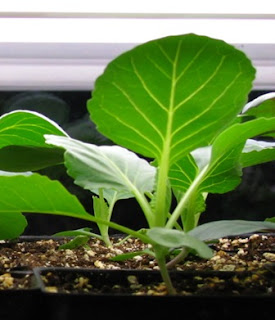 A dedicated space is important because MH lighting generates a lot of heat, and is not suitable for use around children or boisterous pets. If you enclose the lamp, you have to have forced air ventilation to avoid overheating and a possible fire hazard. Open fixtures are the easiest to use, but obviously are also the most hazardous. It costs about 30 cents per day to operate the unit we are using.
Fluorescent lighting has been great for finishing lettuce, allowing us to start more seeds under the MH system. The MH unit effectively illuminates about 25 square feet of growing space, which, by the way, is more than the standard recommendation for a "square foot garden." Two four-foot shop lights will illuminate about 8 square feet, but the lights must be close to the plants to be effective. That limits the crops to smaller varieties, such as lettuce or arugula. Taller plants, such as tomatoes or peppers, simply cannot be illuminated effectively using only fluorescent lighting.
LED units have numerous advantages. They are bright, safe, and cheap to operate. But they come with a high initial price tag, which is why they are not yet widely popular for home use. Professional growers, however, are relying on them more and more.
Boy howdy, does the metal halide unit grow the veggies! We have been harvesting lettuce and will soon have peas, arugula, scallions, beans and corn salad. We have the first tiny green tomatoes, and expect ripe ones in time for Christmas dinner. All the plants are growing in standard nursery containers using Bonnie Growing Mix. We fertilize weekly with Miracle Gro, diluted according to the label directions. We water every other day, although daily watering may be necessary when the humidity dips this winter.
Indoor light gardening equipment is widely available. There is a local retail store, and of course many online vendors. For gardeners with a suitable indoor space, you can continue to enjoy fresh, wholesome home grown food all winter, by growing under lights. We are experimenting with different vegetable varieties, fertilizers and techniques and will continue to report on our findings throughout the winter months.

Fluorescent lighting has been great for finishing lettuce, allowing us to start more seeds under the MH system. The MH unit effectively illuminates about 25 square feet of growing space, which, by the way, is more than the standard recommendation for a "square foot garden." Two four-foot shop lights will illuminate about 8 square feet, but the lights must be close to the plants to be effective. That limits the crops to smaller varieties, such as lettuce or arugula. Taller plants, such as tomatoes or peppers, simply cannot be illuminated effectively using only fluorescent lighting.
LED units have numerous advantages. They are bright, safe, and cheap to operate. But they come with a high initial price tag, which is why they are not yet widely popular for home use. Professional growers, however, are relying on them more and more.
Boy howdy, does the metal halide unit grow the veggies! We have been harvesting lettuce and will soon have peas, arugula, scallions, beans and corn salad. We have the first tiny green tomatoes, and expect ripe ones in time for Christmas dinner. All the plants are growing in standard nursery containers using Bonnie Growing Mix. We fertilize weekly with Miracle Gro, diluted according to the label directions. We water every other day, although daily watering may be necessary when the humidity dips this winter.
Indoor light gardening equipment is widely available. There is a local retail store, and of course many online vendors. For gardeners with a suitable indoor space, you can continue to enjoy fresh, wholesome home grown food all winter, by growing under lights. We are experimenting with different vegetable varieties, fertilizers and techniques and will continue to report on our findings throughout the winter months.
Monday, April 13, 2015
Full Tilt Springtime
Many thanks to everyone who stopped by our table at the UT Gardens Spring Plant Sale last Saturday! It was a pleasure to meet our fellow gardeners, readers, and listeners of the radio show.
April is the biggest gardening month here in the Tennessee Valley. If you have not already planted cool season crops like lettuce or mustard, the window for success is rapidly closing. Your best bet is fast maturing greens, such as mizuna or arugula, and heat tolerant lettuces. Jericho, Anuenue and most romaine varieties are heat tolerant cultivars. Another good one is Black Seeded Simpson, a local favorite since the 19th Century.
You can also plant beans, potatoes, onion sets or plants, scallions, beets, radishes, carrots and cabbage plants with success. Broccoli and cauliflower may or may not produce a crop if planted this late.
Even though tomato and pepper plants have appeared in the garden centers, hold off until at least May 1 to plant. We will still have some cold nights that can set these plants back if they are not protected. You have plenty of time to obtain a crop even if you wait.
It is still a bit early for cucumbers and squash. Plants in cold soil have more disease and pest problems. Wait until after Mothers Day to plant these veggies.
 Here's a great idea for growing lettuce, which does not need a lot of root space. Slap a coat of white primer on a citrus crate. These little crates were full of mandarin oranges or clementines when we bought them. I saved a bunch (we love citrus in the winter) and we planted them with an assortment of smallish lettuces. The result is shown in the photo. If you'd like one of these, Sweet Pea in Bearden is carrying them. Besides interesting plants, Sweet Pea stocks a wide selection of high-quality garden art and accessories.
For those who would like to purchase our hardy orchids, they are available at the following local independent garden centers:
Stanley's Greenhouse
Ellenburg's Landscaping
Mayo Garden Centers in Powell, Bearden and Farragut
Sweet Pea, on Carr Street in Bearden
Hardy orchids will be available until mid-May.
Please support your local, family-owned garden centers this season. Not only will your dollars remain in the area, you will get better plants, better advice and an overall better value than you will find at any big box retailer.
April is the biggest gardening month here in the Tennessee Valley. If you have not already planted cool season crops like lettuce or mustard, the window for success is rapidly closing. Your best bet is fast maturing greens, such as mizuna or arugula, and heat tolerant lettuces. Jericho, Anuenue and most romaine varieties are heat tolerant cultivars. Another good one is Black Seeded Simpson, a local favorite since the 19th Century.
You can also plant beans, potatoes, onion sets or plants, scallions, beets, radishes, carrots and cabbage plants with success. Broccoli and cauliflower may or may not produce a crop if planted this late.
Even though tomato and pepper plants have appeared in the garden centers, hold off until at least May 1 to plant. We will still have some cold nights that can set these plants back if they are not protected. You have plenty of time to obtain a crop even if you wait.
It is still a bit early for cucumbers and squash. Plants in cold soil have more disease and pest problems. Wait until after Mothers Day to plant these veggies.
For those who would like to purchase our hardy orchids, they are available at the following local independent garden centers:
Stanley's Greenhouse
Ellenburg's Landscaping
Mayo Garden Centers in Powell, Bearden and Farragut
Sweet Pea, on Carr Street in Bearden
Hardy orchids will be available until mid-May.
Please support your local, family-owned garden centers this season. Not only will your dollars remain in the area, you will get better plants, better advice and an overall better value than you will find at any big box retailer.
Saturday, December 13, 2014
Planning for Next Year
We are still tidying up here and there from last season's garden, and what should arrive in the mail last week but the new catalog from Park Seed (Greenwood, SC). I have awaited this catalog with great anticipation for more than 50 years, and each holiday season it never fails to delight. Only a few years ago did they modernize some of the photos. The pictures of children that used to appear, holding a giant sunflower, for example, or a really large tomato, were so old that many of those people no doubt have grandchildren by now. For sure, some were older than I am, because I remember seeing them in the catalog when I was a child.
Seed catalogs remind us that the best time to plan next year's vegetable garden is right after the holidays. Not only do the catalogs fill your mailbox, or inbox, at that time of year, but also thinking about a lush garden of vegetables and flowers is a great way to fight the post-holiday blues.
I note with pleasure that this year's catalog offers many new varieties of vegetables that are compact enough for container growing, something that is becoming every more popular in urban and suburban settings. When space is at a premium, a few large containers on a patio or balcony can produce a surprising amount of food. Besides a wide variety of herbs, lettuce and other greens are an excellent choice for containers.
Among the new cultivars that caught my eye in the Park Seed catalog:
Nasturtium 'Phoenix' is an interesting new selection with flame-like flowers in a variety of colors. Trailing nasturtiums are great "spillers" for a container herb and veggie garden.
Pak Choi 'Toy Choi' grows only 6 or 8 inches tall, perfect for a porch box or planter. Ready in 40 days, you can raise a crop before the weather warms up, getting double duty from the same container.
Arugula 'Speedy' provides another opportunity for a quick crop ahead of warm season vegetables like tomatoes. This new arugula selection matures in only 30 days.
Carrot 'Atlas' produces roots somewhat like radishes. It would make a good companion, in fact, for 'Park's Beauty Blend' radishes.
Among warm season crops, I am anxious to try Eggplant 'Patio Baby,' which produces mini-eggplants on plants remaining under two feet tall.
Pepper 'Sweet Pickle' and its hot, spicy cousin 'Cayennette' would look great flanking an entryway in 16-inch pots.
Another intriguing trend that plant breeders seem to be following: crossing two heirloom vegetables to produce a new hybrid. A great example is 'Genuwine' (pictured) which is the offspring of Costoluto Genovese and Brandywine. Expect higher yields, hybrid vigor, and excellent flavor.
We'll have more suggestions from the catalogs as they keep rolling in.
Seed catalogs remind us that the best time to plan next year's vegetable garden is right after the holidays. Not only do the catalogs fill your mailbox, or inbox, at that time of year, but also thinking about a lush garden of vegetables and flowers is a great way to fight the post-holiday blues.
I note with pleasure that this year's catalog offers many new varieties of vegetables that are compact enough for container growing, something that is becoming every more popular in urban and suburban settings. When space is at a premium, a few large containers on a patio or balcony can produce a surprising amount of food. Besides a wide variety of herbs, lettuce and other greens are an excellent choice for containers.
Among the new cultivars that caught my eye in the Park Seed catalog:
Nasturtium 'Phoenix' is an interesting new selection with flame-like flowers in a variety of colors. Trailing nasturtiums are great "spillers" for a container herb and veggie garden.
Pak Choi 'Toy Choi' grows only 6 or 8 inches tall, perfect for a porch box or planter. Ready in 40 days, you can raise a crop before the weather warms up, getting double duty from the same container.
 |
| Tomato Genuwine from Park Seed |
Carrot 'Atlas' produces roots somewhat like radishes. It would make a good companion, in fact, for 'Park's Beauty Blend' radishes.
Among warm season crops, I am anxious to try Eggplant 'Patio Baby,' which produces mini-eggplants on plants remaining under two feet tall.
Pepper 'Sweet Pickle' and its hot, spicy cousin 'Cayennette' would look great flanking an entryway in 16-inch pots.
Another intriguing trend that plant breeders seem to be following: crossing two heirloom vegetables to produce a new hybrid. A great example is 'Genuwine' (pictured) which is the offspring of Costoluto Genovese and Brandywine. Expect higher yields, hybrid vigor, and excellent flavor.
We'll have more suggestions from the catalogs as they keep rolling in.
Saturday, September 6, 2014
Harvest Time
September is the month of the Harvest Moon (which arrives on Monday the 8th) and with good reason. From late tomatoes and squash to fall favorites like pumpkins to"second spring" lettuce and scallions, in September the Tennessee Valley has it all. No wonder the Tennessee Valley Fair has traditionally been held in September. If you are interested in agriculture at any level, the fair is worth a visit. There will be exhibits of home canning, various cooking demonstrations, horticulture exhibits, fruit and vegetable competitions, and showings of all kinds of domestic animals, from rabbits to cattle. The fair is a great starting place if you think, for example, that you might like to have a few chickens. You can get up close and personal with numerous breeds. Take advantage of the opportunity to talk to the exhibitors, too. You will never find better advice.
September also marks the time of the big Fall Plant Sale at UT Gardens. If you are looking for special plants for your landscape, you can find some great choices at the Fall Plant Sale. It begins at 9:00 AM, Saturday, September 27th. UT Gardens Members get a sneak preview on Friday, September 26.
 You still have time to plant fall greens. Members of the mustard family, turnips, bak choy, and arugula, will all mature a crop from seeds planted now. We have about a month before we can reasonably expect frost, and two months before a hard freeze. Fall greens can take a bit of frost, so plant away. The warm soil will result in speedy germination.
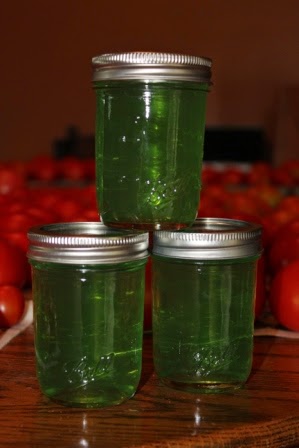
This is also the month for warm season herbs in great abundance. If you find yourself with an excess, make an herb jelly. Here is a master recipe that works with mint, basil, tarragon, lavender, rosemary and probably most other herbs.
Herb Jelly
2 ounces herb leaves, stripped from the stems (about 1 quart loosely packed)
2 1/4 cups boiling water
2 tablespoons lemon juice
3 cups granulated sugar
1 drop food coloring (optional)
3 ounces (one pouch from a 6-ounce box) liquid fruit pectin
Have ready four half pint canning jars with lids. I like to keep them warm in the water bath canner.
Place the herb leaves in a saucepan and pour the boiling water over them. Stir to thoroughly wilt all the leaves, crushing some with the spoon to release the aromatic oils. Bring the liquid back to a boil, cover, remove from the heat and allow to steep for 10 minutes. Strain through a fine sieve. Measure out 1 2/3 cups of the herb infusion and place in a large pot. (Use any remaining to flavor iced tea.)
Add the lemon juice, sugar and food coloring (if used) to the pot, place it over medium-high heat and bring to a boil, stirring constantly. When the liquid is at a rolling boil that does not stir down, add the pectin all at once. Continue boiling and stirring for one minute.
Working quickly, skim any foam from the top of the jelly, using a large metal spoon. Ladle the jelly into the hot jars, leaving 1/4 inch head space, apply caps, and process for 15 minutes in a boiling water bath.
Herb jelly can be used as a condiment on roasted meats, and is delicious when served atop cream cheese on crackers.
September also marks the time of the big Fall Plant Sale at UT Gardens. If you are looking for special plants for your landscape, you can find some great choices at the Fall Plant Sale. It begins at 9:00 AM, Saturday, September 27th. UT Gardens Members get a sneak preview on Friday, September 26.
This is also the month for warm season herbs in great abundance. If you find yourself with an excess, make an herb jelly. Here is a master recipe that works with mint, basil, tarragon, lavender, rosemary and probably most other herbs.
Herb Jelly
2 ounces herb leaves, stripped from the stems (about 1 quart loosely packed)
2 1/4 cups boiling water
2 tablespoons lemon juice
3 cups granulated sugar
1 drop food coloring (optional)
3 ounces (one pouch from a 6-ounce box) liquid fruit pectin
Have ready four half pint canning jars with lids. I like to keep them warm in the water bath canner.
Place the herb leaves in a saucepan and pour the boiling water over them. Stir to thoroughly wilt all the leaves, crushing some with the spoon to release the aromatic oils. Bring the liquid back to a boil, cover, remove from the heat and allow to steep for 10 minutes. Strain through a fine sieve. Measure out 1 2/3 cups of the herb infusion and place in a large pot. (Use any remaining to flavor iced tea.)
Add the lemon juice, sugar and food coloring (if used) to the pot, place it over medium-high heat and bring to a boil, stirring constantly. When the liquid is at a rolling boil that does not stir down, add the pectin all at once. Continue boiling and stirring for one minute.
Working quickly, skim any foam from the top of the jelly, using a large metal spoon. Ladle the jelly into the hot jars, leaving 1/4 inch head space, apply caps, and process for 15 minutes in a boiling water bath.
Herb jelly can be used as a condiment on roasted meats, and is delicious when served atop cream cheese on crackers.
Saturday, August 30, 2014
Plant Fall Greens Now!
The coming week will be your last opportunity to plant fall greens. Some of the best performers for this time of year are kale, mustards, and turnips.
 Kale and other brassica plants are showing up in the garden centers. It is too late to start broccoli and cabbage from seed, but kales, especially the really cold hardy ones like 'Red Russian' and 'Lacinato,' will be able to make decent growth before the first frost. The plants are sufficiently cold hardy to provide a harvest well into December.
With about 45 days remaining until the first expected frost, look for greens crops that will mature quickly. Top choices include the turnip variety 'Seven Top,' and various mustards. Mizuna, tatsoi and bak choy. These Asian mustards will all mature before it gets too cold, as will both curly and red European mustard varieties. Also in the mustard family, radishes will have plenty of time to mature before frost. You can get in 2 or 3 sowings, a few days apart, between now and the end of the month. Another good choice is arugula. Plant small amounts every few days for a succession of crops in October.
All these greens are good in salads when they are small, and can be used as cooked greens when they get larger.
Garden centers also have lettuce plants in cell trays. If you don't already have some lettuce seeds germinating, the commercial plants will give you a quick crop or two before frost reduces the quality.
While you are at the garden center, why not purchase a row cover tunnel for your garden? Using one of these tunnels will protect late crops from frost, and extend the growing season by a week or two at least. Given the cost of fresh salad greens, the small investment in a row cover is paid back the first season in our garden.
With about 45 days remaining until the first expected frost, look for greens crops that will mature quickly. Top choices include the turnip variety 'Seven Top,' and various mustards. Mizuna, tatsoi and bak choy. These Asian mustards will all mature before it gets too cold, as will both curly and red European mustard varieties. Also in the mustard family, radishes will have plenty of time to mature before frost. You can get in 2 or 3 sowings, a few days apart, between now and the end of the month. Another good choice is arugula. Plant small amounts every few days for a succession of crops in October.
All these greens are good in salads when they are small, and can be used as cooked greens when they get larger.
Garden centers also have lettuce plants in cell trays. If you don't already have some lettuce seeds germinating, the commercial plants will give you a quick crop or two before frost reduces the quality.
While you are at the garden center, why not purchase a row cover tunnel for your garden? Using one of these tunnels will protect late crops from frost, and extend the growing season by a week or two at least. Given the cost of fresh salad greens, the small investment in a row cover is paid back the first season in our garden.
Saturday, March 29, 2014
Get Your Garden Going!
If you are not planning on doing some gardening next week, you should be. The weather in the Valley is predicted to be gorgeous, birds are singing, bees are buzzing, and buds are bursting on fruit trees. The month between the equinox and the average frost date of April 20, is the prime time for planting cool season crops, either from seed or started plants. The weather (hopefully) will not heat up until June, so you have roughly 70 days for crops to mature. That is enough for peas, lettuce, spinach, carrots, beets, radishes and green onions to be direct seeded, and sufficient for broccoli and cabbage transplants from the garden center to go in the ground.
Now is also the time to plant cilantro and parsley seeds, or to transplant starts of these cool season herbs. Quick maturing greens, like arugula and various mustards, will also have time to crop before the weather gets too warm and they go to seed. Don't forget that spring-planted cilantro will bear an abundant crop of coriander seed in July if it is allowed to bolt. I always plant extra just for this purpose.
Most parts of East Tennessee are receiving rain this weekend. That, together with the warm spell coming next week, should bring earlier seeds out of the ground. Be sure to thin radishes almost as soon as they are up, for best root production. Keep them about 2 inches apart each way.
.JPG) Thin green crops like spinach and lettuce to stand at least four inches apart each way. Improved air circulation around the plants helps prevent fungal attacks.
Thin green crops like spinach and lettuce to stand at least four inches apart each way. Improved air circulation around the plants helps prevent fungal attacks.
Vegetable gardeners who use raised beds should bear in mind that one DIS-advantage is their tendency to dry out rapidly. Check below the soil surface every day or so in dry weather, and irrigate before plants begin to show signs of stress.
Cool spring weather is ideal for flea beetles, which may attack newly-emerged potato foliage, filling the leaves with pinholes. A floating row cover over the bed helps prevent the beetles from gaining access to your plants. Because they are chewing insects, flea beetles are susceptible to ingestion poisons like nicotine, spinosad, pyrethrins, and neem oil. All these are suitable for organic vegetable production when used according to label directions.
And finally, I know everyone is just dying to plant tomatoes, but wait at least another month. If the soil is too cold, they will just sit there, anyway, and you won't get tomatoes any earlier. Tomato geeks who want to employ extraordinary measures like the "Wall O Water" are welcome to have at it, but the rest of us should just wait until the soil warms up. There will be plenty of time for late tomatoes, peppers and beans to follow all the early crops that will finish up in June, also.
Now is also the time to plant cilantro and parsley seeds, or to transplant starts of these cool season herbs. Quick maturing greens, like arugula and various mustards, will also have time to crop before the weather gets too warm and they go to seed. Don't forget that spring-planted cilantro will bear an abundant crop of coriander seed in July if it is allowed to bolt. I always plant extra just for this purpose.
Most parts of East Tennessee are receiving rain this weekend. That, together with the warm spell coming next week, should bring earlier seeds out of the ground. Be sure to thin radishes almost as soon as they are up, for best root production. Keep them about 2 inches apart each way.
Vegetable gardeners who use raised beds should bear in mind that one DIS-advantage is their tendency to dry out rapidly. Check below the soil surface every day or so in dry weather, and irrigate before plants begin to show signs of stress.
Cool spring weather is ideal for flea beetles, which may attack newly-emerged potato foliage, filling the leaves with pinholes. A floating row cover over the bed helps prevent the beetles from gaining access to your plants. Because they are chewing insects, flea beetles are susceptible to ingestion poisons like nicotine, spinosad, pyrethrins, and neem oil. All these are suitable for organic vegetable production when used according to label directions.
And finally, I know everyone is just dying to plant tomatoes, but wait at least another month. If the soil is too cold, they will just sit there, anyway, and you won't get tomatoes any earlier. Tomato geeks who want to employ extraordinary measures like the "Wall O Water" are welcome to have at it, but the rest of us should just wait until the soil warms up. There will be plenty of time for late tomatoes, peppers and beans to follow all the early crops that will finish up in June, also.
Saturday, March 1, 2014
Spring Planting Time
Spring does not begin officially for another 20 days, but March 1 marks the beginning of spring vegetable gardening season in the Tennessee Valley. Although we are far from out of the woods as far as frost is concerned, the spring temperature oscillations are not likely to bother the most cold-tolerant crops.
Chief among these is spinach, which will germinate in cold soil. Plant in succession from now through the middle of April. Thin plants to stand at least six inches apart for the largest leaves. Thinned seedlings can be transplanted and will be ready to pick a week or ten days later than the ones left undisturbed.
Arugula and corn salad can also be planted now. Arugula only takes about 3 to 4 weeks to be ready to pick, and small succession sowings should be made every few days, as often as you think you'd like to eat arugula. Corn salad grows more slowly and tolerates less heat, so you can only get in a couple of sowings before the weather gets too warm.
.jpg) Now is also a great time to start lettuce seedlings in cell trays for transplanting in 2 to 4 weeks. Sow three seeds on the suface of the growing medium, water thoroughly and place under artificial light or in a south-facing window. When the seedlings have true leaves, thin to one per cell. Transplant to the garden when they 2 inches tall or larger. The secret to growing lettuce is to start a few plants every week or so, for a continuous crop. As with arugula, the amount to sow each week depends upon how much salad you plan to eat. Mature butterhead and loosehead lettuce typess will make two salads per plant, as a rule.
Now is also a great time to start lettuce seedlings in cell trays for transplanting in 2 to 4 weeks. Sow three seeds on the suface of the growing medium, water thoroughly and place under artificial light or in a south-facing window. When the seedlings have true leaves, thin to one per cell. Transplant to the garden when they 2 inches tall or larger. The secret to growing lettuce is to start a few plants every week or so, for a continuous crop. As with arugula, the amount to sow each week depends upon how much salad you plan to eat. Mature butterhead and loosehead lettuce typess will make two salads per plant, as a rule.
Broccoli, cabbage and cauliflower plants can also be transplanted during March. Be sure to keep them dusted with Bt powder to prevent damage by cabbage worms. Bt is a bacterial insecticide approved for organic gardening.
Anyone who has lived in the Tennessee Valley for very long knows we have unpredictable weather in early spring. It is wise to have some means available to protect your plants from frost, because our spring warm spells encourage buds to swell and flowers to bloom. When one night of frost returns, the show can be ruined for good. You can purchase frost blanket, which is about the same as floating row cover material. You can also use old bed sheets. One of my favorite ways to protect emerging plants is to cover them with three or four inches of loose pine needles. The fluffy needles provide frost protection and can be left in place as mulch. They are also easy to remove with a leaf rake, and they look much better than cloth covers. Pine needles work well for perennial flowers and small shrubs. Larger shrubs and flowering trees with require the artificial covers.
Chief among these is spinach, which will germinate in cold soil. Plant in succession from now through the middle of April. Thin plants to stand at least six inches apart for the largest leaves. Thinned seedlings can be transplanted and will be ready to pick a week or ten days later than the ones left undisturbed.
Arugula and corn salad can also be planted now. Arugula only takes about 3 to 4 weeks to be ready to pick, and small succession sowings should be made every few days, as often as you think you'd like to eat arugula. Corn salad grows more slowly and tolerates less heat, so you can only get in a couple of sowings before the weather gets too warm.
Broccoli, cabbage and cauliflower plants can also be transplanted during March. Be sure to keep them dusted with Bt powder to prevent damage by cabbage worms. Bt is a bacterial insecticide approved for organic gardening.
Anyone who has lived in the Tennessee Valley for very long knows we have unpredictable weather in early spring. It is wise to have some means available to protect your plants from frost, because our spring warm spells encourage buds to swell and flowers to bloom. When one night of frost returns, the show can be ruined for good. You can purchase frost blanket, which is about the same as floating row cover material. You can also use old bed sheets. One of my favorite ways to protect emerging plants is to cover them with three or four inches of loose pine needles. The fluffy needles provide frost protection and can be left in place as mulch. They are also easy to remove with a leaf rake, and they look much better than cloth covers. Pine needles work well for perennial flowers and small shrubs. Larger shrubs and flowering trees with require the artificial covers.
Saturday, February 8, 2014
February Planting Time
This week, we planted arugula, celery, chervil, cilantro,
corn salad, curly parsley, Italian parsley, and scallions. The arugula and corn
salad will be grown to maturity indoors, while the others will be ready for transplant
to the garden in early March. This sowing is part of our evaluation of the LED
lighting system I have mentioned in previous posts.

Leek seedlings have grown beautifully with this light
source. They were sown in January and are averaging about 4 inches in height.
The plants exhibit no sign of yellowing or etiolation. Preliminary results,
therefore, are encouraging. The use of LEDs in horticultural lighting remains
somewhat experimental, but holds great promise. Electricity consumption is
greatly reduced without sacrificing light intensity, making LEDs much more
energy efficient than either fluorescent or metal halide sources, the two most
commonly used in horticulture. The 20-watt unit I am evaluating adequately
illuminates an area roughly the size of two standard nursery flats, sufficient
for my backyard garden’s transplant needs.The difference in the size of the seedlings between the two photos is the result of only four days' growth.

If you were planning to add fruit or nut trees or berry
bushes to the garden, February is an ideal time to transplant them. Strawberry
plants should also be appearing in garden centers this month. Everbearing
varieties will give you a decent crop this year, if planted early. Pick off and
discard the blooms that may appear in late spring, to give the plants a chance
to build a root system. This will not only improve the fall crop, but increases
productivity for next spring and fall. If you’ve never grown strawberries, try
‘Sequoia,’ a widely available everbearing variety that produces big, flavorful
berries all season once established. We are going to be renewing our planting
of this berry this season. The strawberry patch needs relocation about every
three years.
Other berry crops that perform well in the Tennessee
Valley are blackberries, raspberries and blueberries. Among nut trees, native
hickory and black walnut are good choices if you have plenty of room and
patience. American filbert is more suited to the backyard garden, but typically
only bears every two or three years. Fruit trees require attention to perform
well here. June-bearing apples are perhaps the best adapted to our climate, but
fall apple and pear varieties regularly appear at the local farmer’s markets.
Local peaches also show up at the markets, too. Attention must be paid to
pruning and pest control for fruit trees.
One fruit we seldom see in the market is cherries, which
is surprising, because my grandparents always had an abundant crop from two
sour cherry trees that my grandfather planted in the early 20th
Century. We also had a massive sweet cherry tree, far from the house, that
undoubtedly had been planted by my great-grandfather, as it was a foot in
diameter when I was a boy. All these cherries eventually succumbed to disease
and were removed. They remain a challenge to grow here, owing to a plethora of
diseases, but it can be done with dedication. For the backyard gardener willing
to take up the challenge, ‘Montmorency’ is a traditional cultivar.
Saturday, January 25, 2014
Vegetable Garden Basics
With the mercury hovering around 25 degrees, my thoughts turn to the warmer days ahead. I am refining my garden plan for 2014. If you have not made a plan yet, now is the time, before spring chores eat up most of your gardening time. Your plan need not be elaborate, but it should at least cover three things:
- What am I going to plant?
- Where am I going to put everything?
- What is the best strategy for succession planting?
 |
| Food garden at UT Gardens |
Here are some tips for answering these questions. One of the best ways to determine what to plant is to ask the other people in the family. You may think growing salsify would be fun, but your kids may want tomatoes or strawberries. Make a list and let everyone vote. If you are a novice at food gardening, limit yourself to three or four crops until you get the hang of growing those, then branch out. My top four choices are beans, lettuce, tomatoes and cucumbers. If I could grow only four vegetables, I would grow these, lettuce in spring and fall, and the others as summer crops.
Choosing a site for your vegetable garden can be the most critical decision you make, in terms of success or failure. Of primary importance is sunshine. Veggies need at least six hours of sun a day, and the more sun, the better. Don't locate your food garden in a low-lying spot where water stands for more than a few hours after a heavy rain. No vegetable likes wet feet, although they all need about an inch of water a week. Speaking of which, be sure you can reach your vegetable garden with a hose, or you will be toting water in buckets during high summer. Your soil should be well-drained, moisture retentive and organically rich. Work in composted organic matter in late winter, as soon as you can work the soil. For a small plot, you can buy compost, peat, or pine bark fines to work into the bed. I suggest adding 3 two-cubic-foot bags of this material per 100 square feet of growing bed, unless your soil is already in great shape. Add more each year, and in five years time you will have the best veggie beds on the block. Good soil is the key to great veggies.
Late winter is also a good time to incorporate organic fertilizers into your garden soil. Doing so gives the weather and beneficial bacteria a chance to decompose these materials into a form your plants can use. I add a cup of cottonseed meal per 10 square feet of growing space, along with a similar amount of bone meal and two tablespoons of pelletized dolomitic limestone. (I leave out the lime if I am growing potatoes.) These amendments are best added around the first of February, if you intend to begin planting in March. That allows a month for breakdown to begin. If you determine that plants need more nitrogen later on in the season, I suggest using a balanced organic fertilizer mix available commercially, rather than more slow-release amendments. When plants are really growing the nutrients will not be released fast enough.
I should also say that, although I prefer organic fertilization wherever possible, I see nothing wrong with using a soluble fertilizer, such as Miracle Gro(TM) in order to salvage a crop of veggies. Doing so is less likely to cause harm than allowing the plants to get stressed and attract insect pests.
Regarding succession planting, this is the key to growing a lot of food in a small space. The most important point to remember is that here in the Tennessee Valley, we have three growing seasons. Two cool ones in spring and fall, and a warm to hot season in summer. Once you have your veggie list in hand, divide it into cool season and warm season crops. The most popular warm season crops are beans, corn, cucumbers, okra, peppers, tomatoes and squash. Greens of all types are the easiest cool season crops, including arugula, lettuce, mustards and spinach. The cabbage family also needs cool temperatures, as do green onions and leeks. Plan on growing cool season crops from March 1 to June 1, warm season crops from June 1 to September 1, and cool season crops again around Labor Day. for the ones to be grown from transplants, either plan on purchasing them from a garden center (recommended for beginners) or start seeds about four to six weeks before you will need plants.
When your early crops of greens and scallions are done, remove plant debris and move in the summer crops. When these are up and growing well, fertilize. Start moving in the fall plants as the summer veggies start looking exhausted. Feed the fall crop when all the summer crops are gone and the fall plants are established.
By following these simple guidelines, you should be able to grow enough food to eat, and perhaps have some extra to can or freeze this summer.
Saturday, November 23, 2013
Growing Sprouts
During the cold, damp and dreary days of late fall and winter, not much is going on in the garden. While cold-hardy greens can be produced under protection, growth slows with reduced light and cooler temperatures.
 The accompanying photo, courtesy of Patrick Rakes, shows his abundant cold frame garden. Kale, spinach, lettuce and other greens are growing abundantly. The photo will give you an idea of how to construct a PVC support for plastic film, converting a raised bed into a cold frame.
One way to satisfy the gardening itch in winter is to grow sprouts. All you need is some simple equipment and a sunny windowsill or kitchen counter. Seeds for sprouting are available in specialty food stores like Earthfare and Three Rivers Market. You can sprout leftover garden seeds, too, but just make sure they have not been treated with pesticide before you begin. Among the best choices for a beginning sprout garden is alfalfa.
While you can purchase a ready-made seed sprouter, all you really need is a wide mouth jar, a piece of cheesecloth, and a rubber band. To grow about two cups of alfalfa sprouts, place one tablespoon of seeds in the empty jar. Cover the mouth with the cheesecloth, securing it with the rubber band. Add enough lukewarm water to cover the seeds by an inch. Leave on the kitchen counter overnight. The next morning, drain, rinse well, and place in a warm, dark place, such as a cupboard. Rinse the seeds with cold tap water two or three times every day, and move the jar into the light when roots have developed and are over 1/4 inch long. Within about five days, you will have a jar of green, delicious sprouts. They will keep another week if placed in the refrigerator in an airtight container. Put a paper towel on the bottom of the storage container to absorb excess moisture, which will shorten storage life.
Many other seeds besides alfalfa can be used to grow sprouts. Radish, broccoli and mung beans are some of the most commonly sprouted seeds, but just about any vegetable seed can be tried. Commercial bean sprouts are grown from mung beans under special conditions. You will not be able to duplicate these conditions in the kitchen, but you nevertheless can produce acceptable bean sprouts.
Radish and other mustard family sprouts have a spicy flavor that perks up a salad. Try using a mixture of sprouts on a sandwich instead of lettuce. I particularly like sprouts with chicken salad and egg salad. Sprouts can also be used to garnish a variety of dishes, adding color, flavor and nutrition.
Sprouts have sometimes been cited as the source of bacterial infections in children, the elderly and people with compromised immune systems. Look for sprouting seeds that have been tested for contamination. This information will appear on the label. Observe proper sanitation in the kitchen when preparing sprouts, and you should not have any problems. It is worth noting that most reported issues have been with commercially mass-produced sprouts. Many producers now test each batch, so look for label assurances when you buy.
Discard the cheesecloth after each batch of sprouts, replacing it with a new one, or purchase perforated plastic lids that will fit a standard Mason jar. You can also purchase a complete sprouting system made from plastic. Either way, growing sprouts is a great way to garden when the weather outside is less than beckoning.

One way to satisfy the gardening itch in winter is to grow sprouts. All you need is some simple equipment and a sunny windowsill or kitchen counter. Seeds for sprouting are available in specialty food stores like Earthfare and Three Rivers Market. You can sprout leftover garden seeds, too, but just make sure they have not been treated with pesticide before you begin. Among the best choices for a beginning sprout garden is alfalfa.
While you can purchase a ready-made seed sprouter, all you really need is a wide mouth jar, a piece of cheesecloth, and a rubber band. To grow about two cups of alfalfa sprouts, place one tablespoon of seeds in the empty jar. Cover the mouth with the cheesecloth, securing it with the rubber band. Add enough lukewarm water to cover the seeds by an inch. Leave on the kitchen counter overnight. The next morning, drain, rinse well, and place in a warm, dark place, such as a cupboard. Rinse the seeds with cold tap water two or three times every day, and move the jar into the light when roots have developed and are over 1/4 inch long. Within about five days, you will have a jar of green, delicious sprouts. They will keep another week if placed in the refrigerator in an airtight container. Put a paper towel on the bottom of the storage container to absorb excess moisture, which will shorten storage life.
Many other seeds besides alfalfa can be used to grow sprouts. Radish, broccoli and mung beans are some of the most commonly sprouted seeds, but just about any vegetable seed can be tried. Commercial bean sprouts are grown from mung beans under special conditions. You will not be able to duplicate these conditions in the kitchen, but you nevertheless can produce acceptable bean sprouts.
Radish and other mustard family sprouts have a spicy flavor that perks up a salad. Try using a mixture of sprouts on a sandwich instead of lettuce. I particularly like sprouts with chicken salad and egg salad. Sprouts can also be used to garnish a variety of dishes, adding color, flavor and nutrition.
Sprouts have sometimes been cited as the source of bacterial infections in children, the elderly and people with compromised immune systems. Look for sprouting seeds that have been tested for contamination. This information will appear on the label. Observe proper sanitation in the kitchen when preparing sprouts, and you should not have any problems. It is worth noting that most reported issues have been with commercially mass-produced sprouts. Many producers now test each batch, so look for label assurances when you buy.
Discard the cheesecloth after each batch of sprouts, replacing it with a new one, or purchase perforated plastic lids that will fit a standard Mason jar. You can also purchase a complete sprouting system made from plastic. Either way, growing sprouts is a great way to garden when the weather outside is less than beckoning.
Saturday, November 16, 2013
Cold Weather Gardening Tips
Now that we have had a couple of hard freezes, not much is growing in the garden. However, the cold hardy crops are holding well in the ground, and we are still harvesting. Last night I made a delicious vegetable stir fry with bak choy, kale, peppers (stored in the refrigerator since harvest), garlic, ginger and mushrooms, and only the mushrooms came from the market. With a little effort, I could have grown shiitakes, also. This veggie mélange made a great side for roast chicken.
 With a simple cold frame, you can continue harvesting all the way to Christmas. I just finished pulling radishes from one of our walk-in cold frames, and we have plenty of arugula, corn salad, lettuce, green onions, and chervil. I expect to continue harvesting these until after Thanksgiving, and nothing beats a fresh salad for brightening up a comfort food meal on a chilly evening.
The first coldframe we ever used, and one of the easiest to construct, was made out of half-inch PVC pipe. We build raised beds about 3 feet by 8 feet. Five ten-foot long pieces of PVC pipe and a roll of transparent polyethylene sheeting will convert such a bed into a coldframe for about $20. Simply stick the pipe in the soil on one side of the bed, bend it over and similarly push it into the soil on the other side, forming a half-hoop to support the plastic. Place one pipe hoop at each end, and space the others each about three feet in from the ends. You can also use exterior screws to attach the pipe to the bed frame. Use the fifth piece of pipe to reinforce the others by running along the top of the hoops to form a "roof peak." Cut this piece of pipe to the required length, and secure it with duct tape or zip ties. The entire structure will be sturdier as a result. When the PVC frame is in place, cover with the plastic, anchored down with rocks or other weights along the edges. Instant coldframe! This arrangement is easy to disassemble and store when warm weather returns, also. As a rule, 4 mil polyethylene sheeting will last only one winter. If you want a more durable covering, use 6 mil polyethylene, which is a bit more costly.
You often read about the need to open a cold frame on warm days. We have found that unless the foliage of the plants is touching the transparent parts of the cold frame, there is little reason to do this. Plus, warming the soil helps keep the plants warmer that night. You may need to experiment to determine if your cold frame needs ventilating.
Time to get our your notebooks and start planning next year's garden. The seed catalogs will be arriving soon. If you plan to start your own transplants, remember that some, like celery, celery root, artichokes and leeks, need to be started in January because they grow so slowly.

The first coldframe we ever used, and one of the easiest to construct, was made out of half-inch PVC pipe. We build raised beds about 3 feet by 8 feet. Five ten-foot long pieces of PVC pipe and a roll of transparent polyethylene sheeting will convert such a bed into a coldframe for about $20. Simply stick the pipe in the soil on one side of the bed, bend it over and similarly push it into the soil on the other side, forming a half-hoop to support the plastic. Place one pipe hoop at each end, and space the others each about three feet in from the ends. You can also use exterior screws to attach the pipe to the bed frame. Use the fifth piece of pipe to reinforce the others by running along the top of the hoops to form a "roof peak." Cut this piece of pipe to the required length, and secure it with duct tape or zip ties. The entire structure will be sturdier as a result. When the PVC frame is in place, cover with the plastic, anchored down with rocks or other weights along the edges. Instant coldframe! This arrangement is easy to disassemble and store when warm weather returns, also. As a rule, 4 mil polyethylene sheeting will last only one winter. If you want a more durable covering, use 6 mil polyethylene, which is a bit more costly.
You often read about the need to open a cold frame on warm days. We have found that unless the foliage of the plants is touching the transparent parts of the cold frame, there is little reason to do this. Plus, warming the soil helps keep the plants warmer that night. You may need to experiment to determine if your cold frame needs ventilating.
Time to get our your notebooks and start planning next year's garden. The seed catalogs will be arriving soon. If you plan to start your own transplants, remember that some, like celery, celery root, artichokes and leeks, need to be started in January because they grow so slowly.
Sunday, November 10, 2013
Thai Curry With Fall Produce
With the arrival of frost, we have harvested both lemongrass and ginger, and we have an abundance of each. At the same time, we have cool season green crops such as arugula and parsley, so I went in search of recipes that might encompass these products. I discovered the perfect recipe in a Thai cookbook I own. It is "Jungle Curry," an example of Thai "country cooking" than can be varied endlessly.
You may have seen the little cans of Thai curry paste in Asian markets. The basic ones are green, yellow and red. All of them are made by grinding different combinations of herbs and vegetables together, creating a complex flavor that surpasses the individual notes of which it is composed. Because the basic varieties of curry are somewhat "standard" in Thai cooking, many people rely on canned products. The result has been that the art of making curry by hand is becoming unfamiliar.
"Curry" simply means "mixture" or "blend." Thai curries and those of other southeast Asian countries differ from the spice mixture people often associate with Indian curry. Southeast Asian curries rely more on fresh ingredients and are therefore often wet pastes, rather than a dry powder. In this regard, they resemble the Middle Eastern condiment, harissa.
Jungle curry involves combining ingredients often found in other curry mixtures, chili peppers, lemongrass, ginger and cilantro, with herbs and greens more often seen in European than in Asian dishes. Traditionally, rural people would gather plants from the surrounding forest and incorporate these into their curries. Because the recipe varied depending upon what was available from Nature, these dishes can incorporate whatever ingredients you may have on hand.
Thai Jungle Curry with Grilled Beef and Vegetables
2 large servings
Curry paste:
1 large lemongrass stalk, trimmed and the lower 3 inches chopped coarsely
1/4 cup chopped cilantro
3 tablespoons chopped fresh ginger
1 anchovy filet, oil packed, drained
1/3 cup chopped onions
5 green Serrano chilies, stemmed and chopped
3 red Thai chilies, or cayenne peppers, stemmed and chopped
1/2 cup fresh arugula leaves, torn
1/4 cup fresh basil leaves, torn
1/4 cup chopped chives
2 tablespoons fresh tarragon leaves, chopped
Grilled beef and vegetables:
1/2 pound flank or breakfast steak, thinly sliced across the grain
2 tablespoons soy sauce
black pepper, freshly ground
2 tablespoons vegetable oil
6 cloves garlic, peeled and chopped
the zest from one lime
1 leek, trimmed and chopped
2 cups mixed vegetables in uniform pieces, such as broccoli florets, mushroom caps, cubes of squash, sliced carrots, baby corn, water chestnuts, etc.
3 tablespoons brown sugar
3 tablespoons Thai fish sauce
1 cup beef stock, fresh or canned
1/2 cup fresh arugula leaves
1/4 cup fresh basil leaves
1/4 cup chopped chives
2 tablespoons fresh tarragon leaves
steamed jasmine rice, to serve
Make the curry paste in a large, heavy mortar, or use a food processor. The mortar will produce a more traditional curry, while the food processor will produce a smoother one. Combine the ingredients and pound or process until crushed and blended. Scrape down the work bowl of the processor several times, if using one. Transfer the curry to a small bowl and refrigerate until ready to use. The curry will keep a week in the refrigerator, or a month in the freezer. You can double the batch easily if you prefer to freeze the extra.
To complete the dish, place the sliced beef in a small bowl with the soy sauce and a generous amount of black pepper. Marinate at room temperature for 30 minutes. Prepare a charcoal grill, or heat a grill pan over high heat for about 10 minutes. Grill the beef slices until they are just marked but still slightly pink, about a minute per side. Discard the marinade. Set the beef aside on a plate.
Heat a wok or heavy skillet and add the oil. When it ripples, add the garlic and stir fry until it is pale golden. Add the lime zest and the curry paste and stir fry 30 seconds. Add the leek and the vegetables, and stir fry until they are crisp-tender. Add the sugar and the fish sauce, and stir fry until most of the liquid has evaporated. Add the beef stock, lower the heat, and bring to a simmer. Add the reserved beef slices and the fresh herbs and greens. Simmer just until the herbs wilt. Serve hot over jasmine rice.
Grilled tofu can be substituted for the beef, in which case use vegetable stock. If you prefer a vegan dish, leave out the anchovy and fish sauce, substituting soy sauce, about a tablespoon for the anchovy and 3 tablespoons for the fish sauce. Similarly, you could use shrimp and seafood stock, or grilled chicken and chicken stock. Parsley, oregano, spinach, corn salad, or other greens and herbs can be substituted for those given in the recipe. Just make sure to use sufficient amounts to create a bold flavor.
 |
| Ginger flowers in the fall garden |
"Curry" simply means "mixture" or "blend." Thai curries and those of other southeast Asian countries differ from the spice mixture people often associate with Indian curry. Southeast Asian curries rely more on fresh ingredients and are therefore often wet pastes, rather than a dry powder. In this regard, they resemble the Middle Eastern condiment, harissa.
Jungle curry involves combining ingredients often found in other curry mixtures, chili peppers, lemongrass, ginger and cilantro, with herbs and greens more often seen in European than in Asian dishes. Traditionally, rural people would gather plants from the surrounding forest and incorporate these into their curries. Because the recipe varied depending upon what was available from Nature, these dishes can incorporate whatever ingredients you may have on hand.
Thai Jungle Curry with Grilled Beef and Vegetables
2 large servings
Curry paste:
1 large lemongrass stalk, trimmed and the lower 3 inches chopped coarsely
1/4 cup chopped cilantro
3 tablespoons chopped fresh ginger
1 anchovy filet, oil packed, drained
1/3 cup chopped onions
5 green Serrano chilies, stemmed and chopped
3 red Thai chilies, or cayenne peppers, stemmed and chopped
1/2 cup fresh arugula leaves, torn
1/4 cup fresh basil leaves, torn
1/4 cup chopped chives
2 tablespoons fresh tarragon leaves, chopped
Grilled beef and vegetables:
1/2 pound flank or breakfast steak, thinly sliced across the grain
2 tablespoons soy sauce
black pepper, freshly ground
2 tablespoons vegetable oil
6 cloves garlic, peeled and chopped
the zest from one lime
1 leek, trimmed and chopped
2 cups mixed vegetables in uniform pieces, such as broccoli florets, mushroom caps, cubes of squash, sliced carrots, baby corn, water chestnuts, etc.
3 tablespoons brown sugar
3 tablespoons Thai fish sauce
1 cup beef stock, fresh or canned
1/2 cup fresh arugula leaves
1/4 cup fresh basil leaves
1/4 cup chopped chives
2 tablespoons fresh tarragon leaves
steamed jasmine rice, to serve
Make the curry paste in a large, heavy mortar, or use a food processor. The mortar will produce a more traditional curry, while the food processor will produce a smoother one. Combine the ingredients and pound or process until crushed and blended. Scrape down the work bowl of the processor several times, if using one. Transfer the curry to a small bowl and refrigerate until ready to use. The curry will keep a week in the refrigerator, or a month in the freezer. You can double the batch easily if you prefer to freeze the extra.
To complete the dish, place the sliced beef in a small bowl with the soy sauce and a generous amount of black pepper. Marinate at room temperature for 30 minutes. Prepare a charcoal grill, or heat a grill pan over high heat for about 10 minutes. Grill the beef slices until they are just marked but still slightly pink, about a minute per side. Discard the marinade. Set the beef aside on a plate.
Heat a wok or heavy skillet and add the oil. When it ripples, add the garlic and stir fry until it is pale golden. Add the lime zest and the curry paste and stir fry 30 seconds. Add the leek and the vegetables, and stir fry until they are crisp-tender. Add the sugar and the fish sauce, and stir fry until most of the liquid has evaporated. Add the beef stock, lower the heat, and bring to a simmer. Add the reserved beef slices and the fresh herbs and greens. Simmer just until the herbs wilt. Serve hot over jasmine rice.
Grilled tofu can be substituted for the beef, in which case use vegetable stock. If you prefer a vegan dish, leave out the anchovy and fish sauce, substituting soy sauce, about a tablespoon for the anchovy and 3 tablespoons for the fish sauce. Similarly, you could use shrimp and seafood stock, or grilled chicken and chicken stock. Parsley, oregano, spinach, corn salad, or other greens and herbs can be substituted for those given in the recipe. Just make sure to use sufficient amounts to create a bold flavor.
Subscribe to:
Posts (Atom)